
Cilantro Pesto (dairy-free + nut-free)
- Log in to post comments
Our bodies have a natural evolutionary advantage: the ability to burn fat for energy when food is scarce. This metabolic process, known as ketosis, allowed our ancestors to survive periods without abundant carbohydrates. Today, we can intentionally harness this ancient mechanism by following a ketogenic diet—a high-fat, very low-carbohydrate eating pattern that shifts the body’s primary fuel source from glucose to fat. While some individuals thrive on a long-term keto diet, others may benefit more from using it periodically throughout the year, mimicking ancestral cycles of fasting and feasting. Whether you are looking to improve metabolic health, reduce inflammation, or enhance brain function, the keto diet can be a powerful tool for transformation—when used mindfully and appropriately.


A keto diet is a low-carb, high-fat diet that trains the body to enter a state of ketosis, where fat is burned for fuel instead of carbohydrates. Typically, the diet consists of:
70% fat
25% protein
5% carbohydrates (around 15–50 grams of net carbs per day)
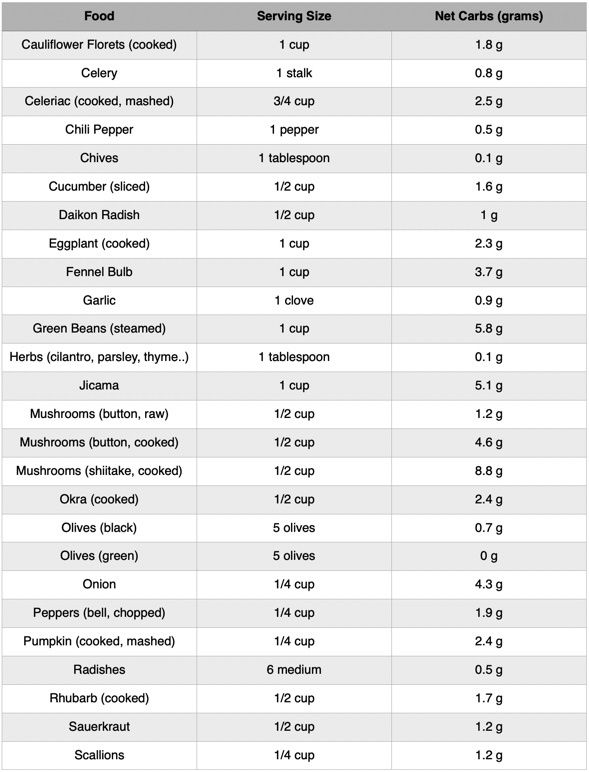
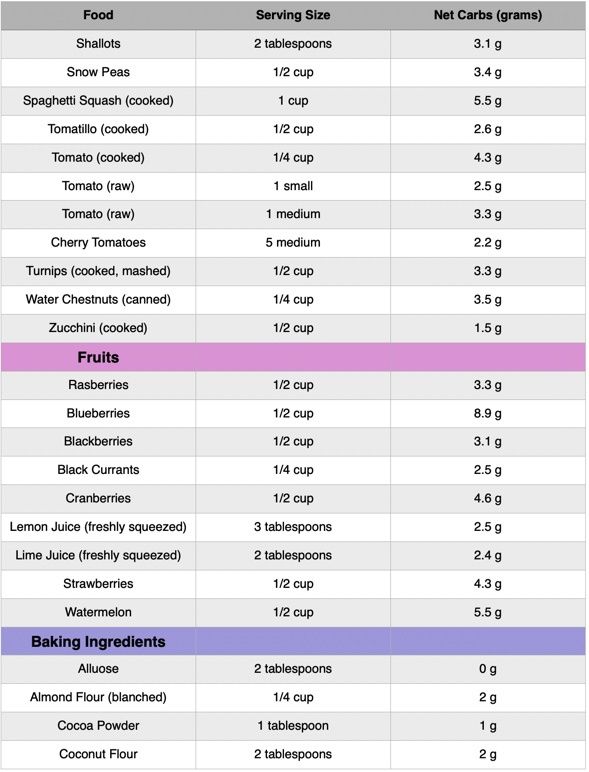
Net carbs are calculated by subtracting fiber from the total carbohydrate content. For example, a 1/4 cup of blueberries may fit into your day, while a few handfuls might exceed your carb threshold.
Tracking your food intake at the beginning—using food journaling or apps—can help you stay within your target carbohydrate range and ensure that your macronutrients are aligned to promote ketosis.
The keto diet may be especially beneficial for individuals with the following health concerns:
Epilepsy (clinically validated)
Alzheimer’s Disease or cognitive decline
Type 1 and Type 2 Diabetes (with medical supervision)
Weight loss resistance or metabolic syndrome
Inflammatory conditions or sugar addiction
Some may benefit from following a cyclical or seasonal keto diet, while others may use it therapeutically for shorter periods.
When carbohydrate intake is low, the body depletes its glycogen stores and begins producing ketones from fat. These ketones serve as an alternative energy source for the brain, muscles, and other tissues. This state, known as ketosis, is associated with:
Enhanced fat burning
Increased mental clarity
More stable energy levels
Reduced hunger and cravings
To maintain ketosis, meals must be high in fat, moderate in protein, and low in carbohydrates. For example:
Breakfast: Scrambled eggs with feta cheese, arugula, and sautéed zucchini in olive oil, plus a side of avocado
Lunch: Garden salad topped with pulled pork, shredded raw cheddar, fresh herbs, and a creamy olive oil dressing
Dinner: Poached salmon in coconut milk with Indian spices over riced cauliflower, served with steamed Brussels sprouts
Carbohydrates: 5–10% of total daily calories (15–50g net carbs)
Protein: ~25% of daily calories (about 1.6g/kg of body weight)
Fat: 70% of daily calories or more
Fruits (small amounts only):
Lemons, limes, unsweetened cranberry juice
Small portions of berries (e.g., blueberries, raspberries)
Vegetables (non-starchy):
Asparagus, artichoke, arugula, avocado, bok choy, broccoli, cabbage, cauliflower
Celery, chard, collards, fennel, green beans, kale, leeks, lettuce, mushrooms, spinach, sprouts, zucchini, and more
Proteins:
Beef, pork, lamb, poultry, wild game
Fish, seafood, and eggs
Dairy (high-fat, full-fat only):
Cheeses, sour cream, whipping cream, full-fat plain yogurt, butter, and ghee
Nuts & Seeds:
Almonds, walnuts, pecans, macadamia nuts, flax, chia, pumpkin seeds, sunflower seeds
Herbs & Spices:
All fresh and dried herbs and spices (unsweetened and sugar-free)
Condiments:
Mustard, mayonnaise, salsa, vinegar, horseradish, pesto, sugar-free ketchup
Coconut Products:
Coconut milk, oil, butter, yogurt, shredded coconut, coconut water kefir
Fats & Oils:
Olive oil, avocado oil, MCT oil, butter, ghee, cacao butter, macadamia nut oil
Sweeteners (keto-approved):
Stevia, monk fruit extract, allulose
Beverages:
Water, chamomile tea, ginger tea, coconut water kefir
Promotes fat loss and metabolic flexibility
May improve cognitive performance and memory
Supports stable energy and reduced cravings
Can reduce inflammation and oxidative stress
May help stabilize blood sugar and insulin levels
May cause temporary "keto flu" during adaptation
Can be restrictive and socially challenging
Not ideal for individuals with gallbladder issues or certain thyroid conditions
Not ideal for individuals with cortisol imbalances
May diminish gut microbial diversity
Should be monitored closely in individuals with diabetes or other chronic illnesses
Sign up for a Nourishing Meals® Membership to access hundreds of keto-friendly recipes, meal plans, and grocery lists.
Choose “Keto Diet” on the diet setup page. You can also select any additional food intolerances (e.g., dairy-free, nightshade-free).
Add sample meal plans to your user profile or create your own using our customizable meal planner.
Schedule your meals into your calendar and generate shopping lists.
Celebrate each nourishing choice—every meal is a step toward balance, vitality, and well-being.
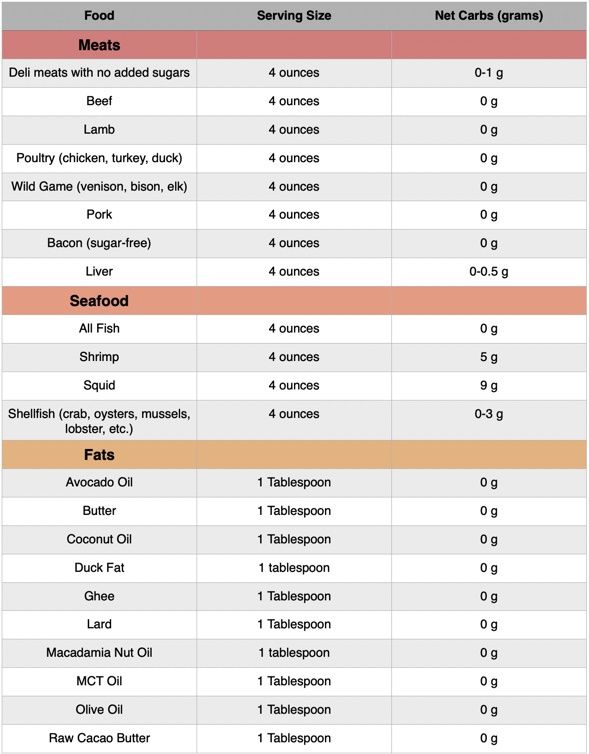
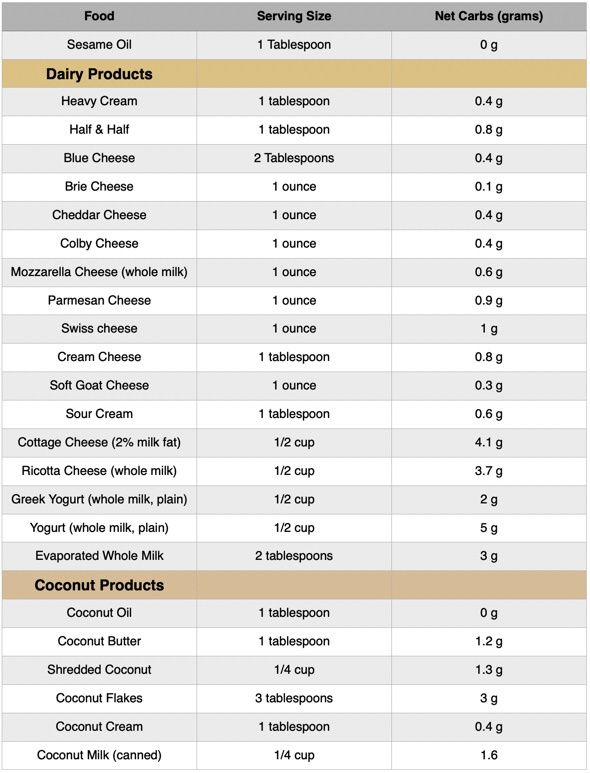
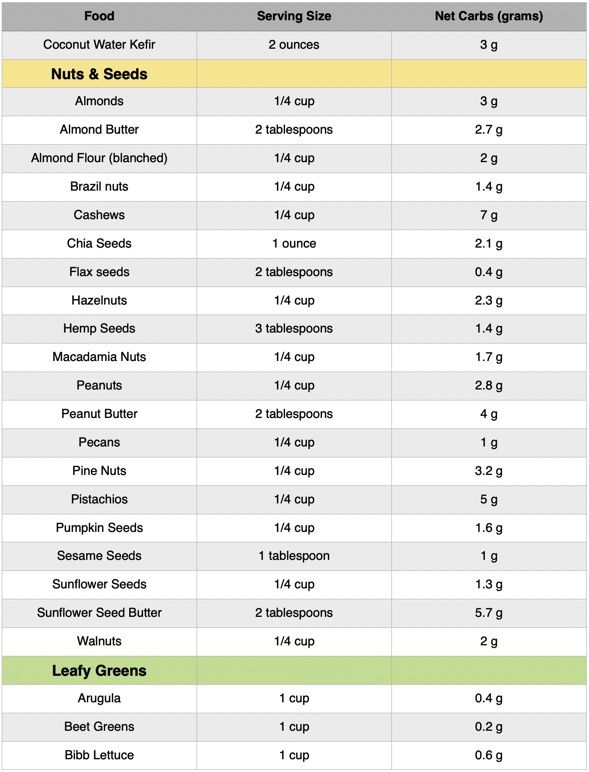
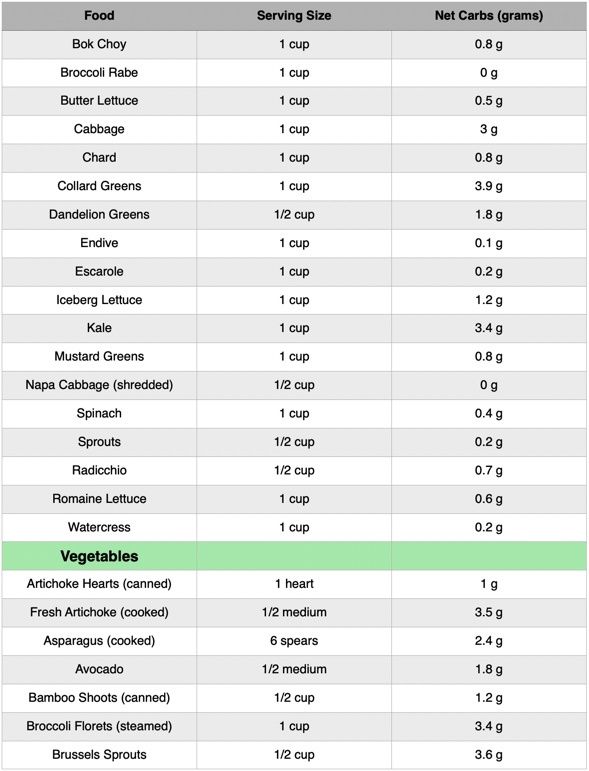
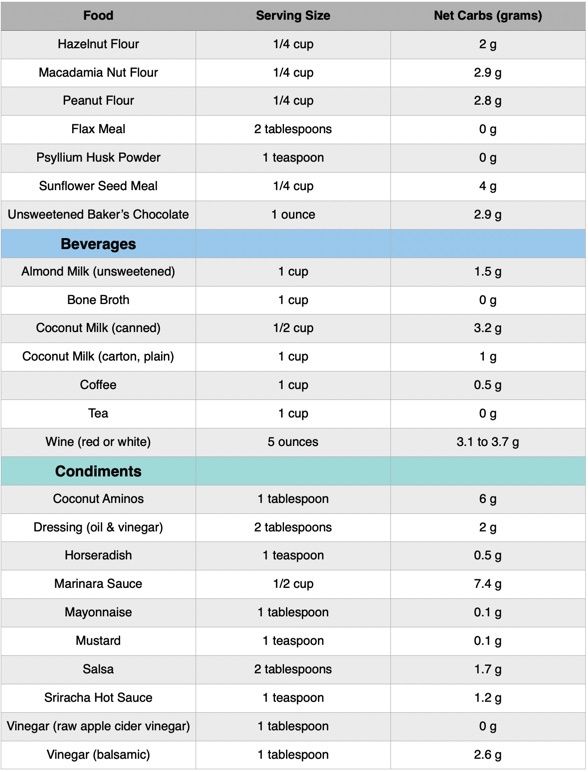
Use these charts to help guide you on the keto diet. Use a journal when you are just beginning this diet to track your total daily net carbs (your best estimate).
| Plan | Length | Actions |
|---|---|---|
Keto Thanksgiving Menu |
1 day | Please login to view and schedule plans |
Blood Sugar Balancing Breakfasts |
6 days | Please login to view and schedule plans |
3-Day Keto Meal Plan |
3 days | Please login to view and schedule plans |

You need to be a Nourishing Meals member to view this meal plan.
Get access to these Meal Plans and create your own with over 1,400 member-only recipes!
Create custom meal plans based on your personalized dietary needs. Get inspired with new recipes to stay track with your health goals. Generate shopping lists and more!
Already a member? Login


