Simple Ways to Preserve Fruit
Ali Segersten
This time of year, fruit is falling off the trees, and many people wonder how to preserve it before it goes to waste. A lot of fresh fruit ends up rotting—maybe that’s part of nature’s grand design to enrich the soil around the roots? I’m not sure. But one thing is certain, late summer is a busy time for anyone with fruit trees or berry bushes.
There are a few simple methods you can use to quickly preserve the harvest. We freeze most of our fruit in an extra freezer in the garage. While this may not be the most energy-efficient method, it’s quick and easy—especially if you have extra freezer space.
Dehydrating is likely the safest option. It requires little energy and eliminates the worry of losing a freezer full of food during a power outage. Canning is another option, though much of the fruit’s nutrients and enzymes are lost in the high-heat process.
If you’d like to dive deeper, I wrote an entire chapter on preserving the harvest in my new cookbook, Nourishing Meals. It includes recipes for herbal vinegars, lacto-fermented vegetables, and flavorful sauces like homemade Cayenne Hot Sauce.
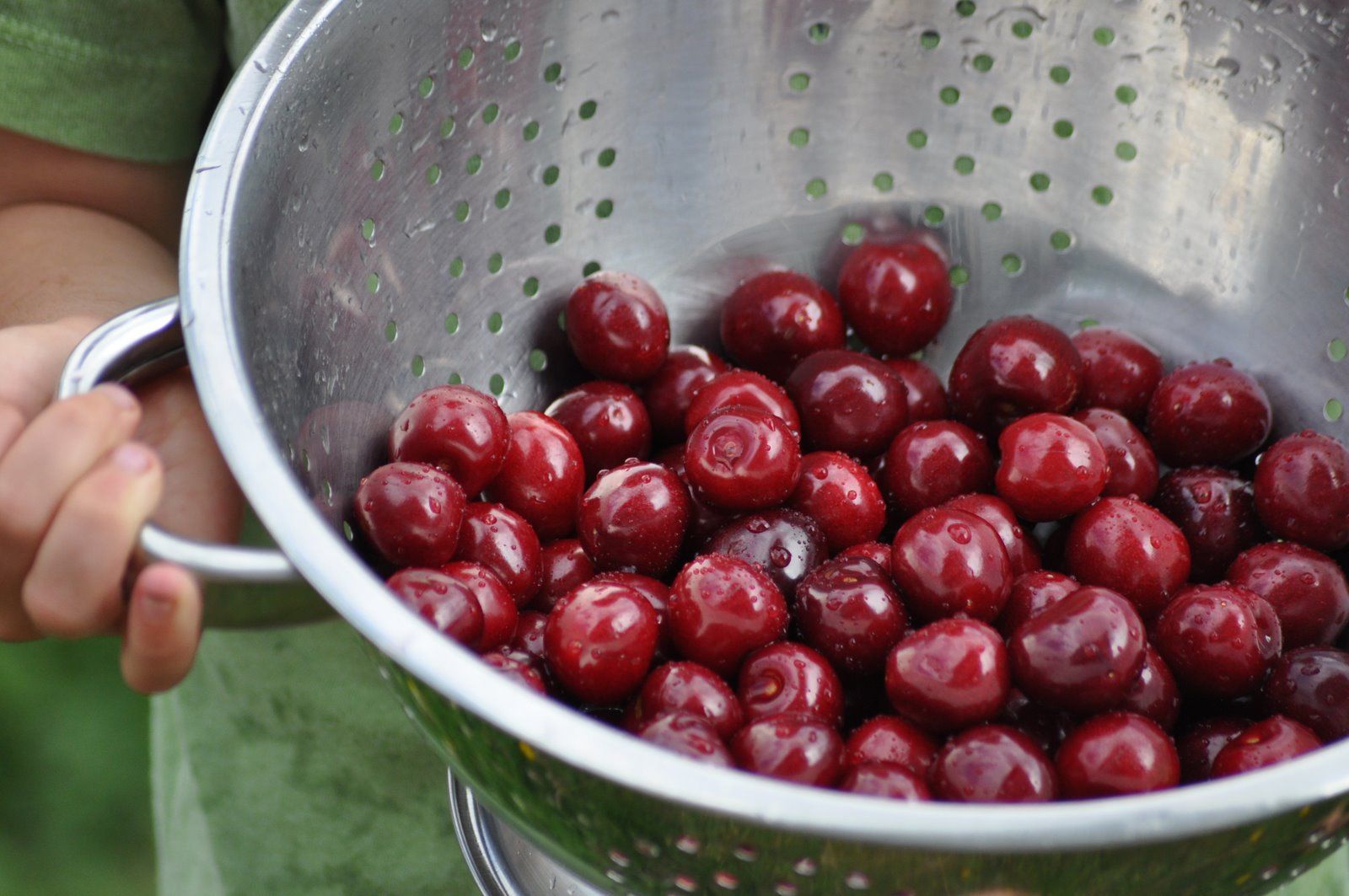
Freezing Fruit & Tomatoes
Peaches, Plums, and Nectarines: Cut the fruit in half and remove the pits. Place the halves in a single layer in a container. Add a piece of parchment or waxed paper on top, then add a second layer. Cover with a lid and freeze.
Cherries: Pit and freeze in a container.
Blueberries: If there’s a lot of debris mixed in with the berries (which often happens when my kids pick them), pour the berries into a large bowl and fill it with water. Swirl the berries around—the debris will float to the top. Carefully pour off the top layer of water, then drain the rest through a colander. Transfer the berries to a container and freeze.
Blackberries and Raspberries: Place into a container and freeze.
Strawberries: Hull berries then place into a container and freeze.
Pears: Core and cut into the largest pieces possible. Place into a single layer in a container. Add a piece of parchment or waxed paper on top of the first layer, then add a second layer. Cover with a lid and freeze.
Tomatoes: Freeze tomatoes whole in large bags or sealed containers. Roma tomatoes from my garden are my favorite to freeze. When you need diced tomatoes for a recipe, simply remove a few tomatoes from your freezer and place them into a bowl of very hot water. Within a few minutes the skins will easily slip off and you can dice them, partially frozen, on a cutting board. Then add to your favorite simmering soup or curry!
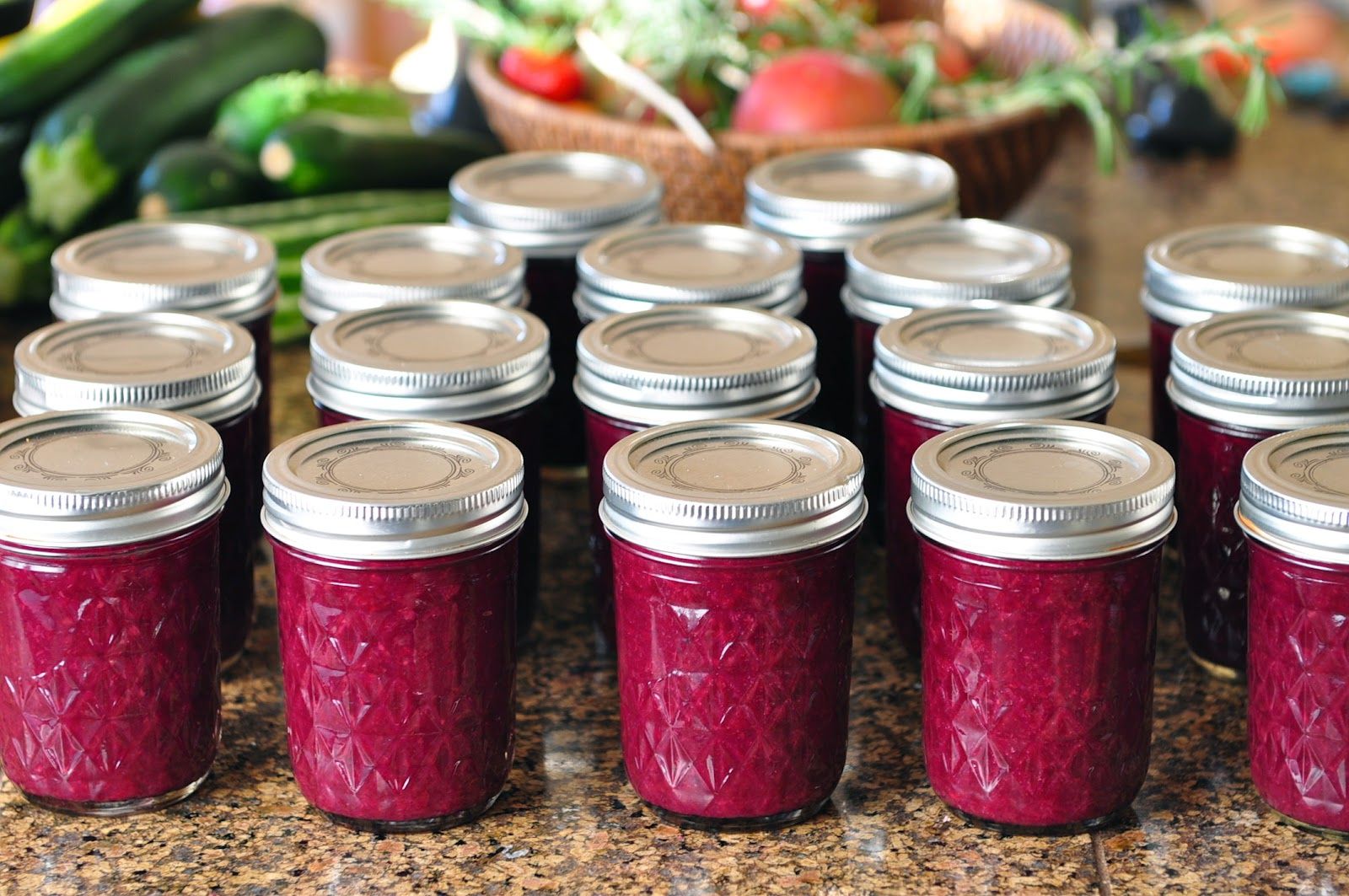
Canning
Like I said, I don't can fruit except for applesauce and jam. Pictured here is a batch of homemade blueberry-honey jam!
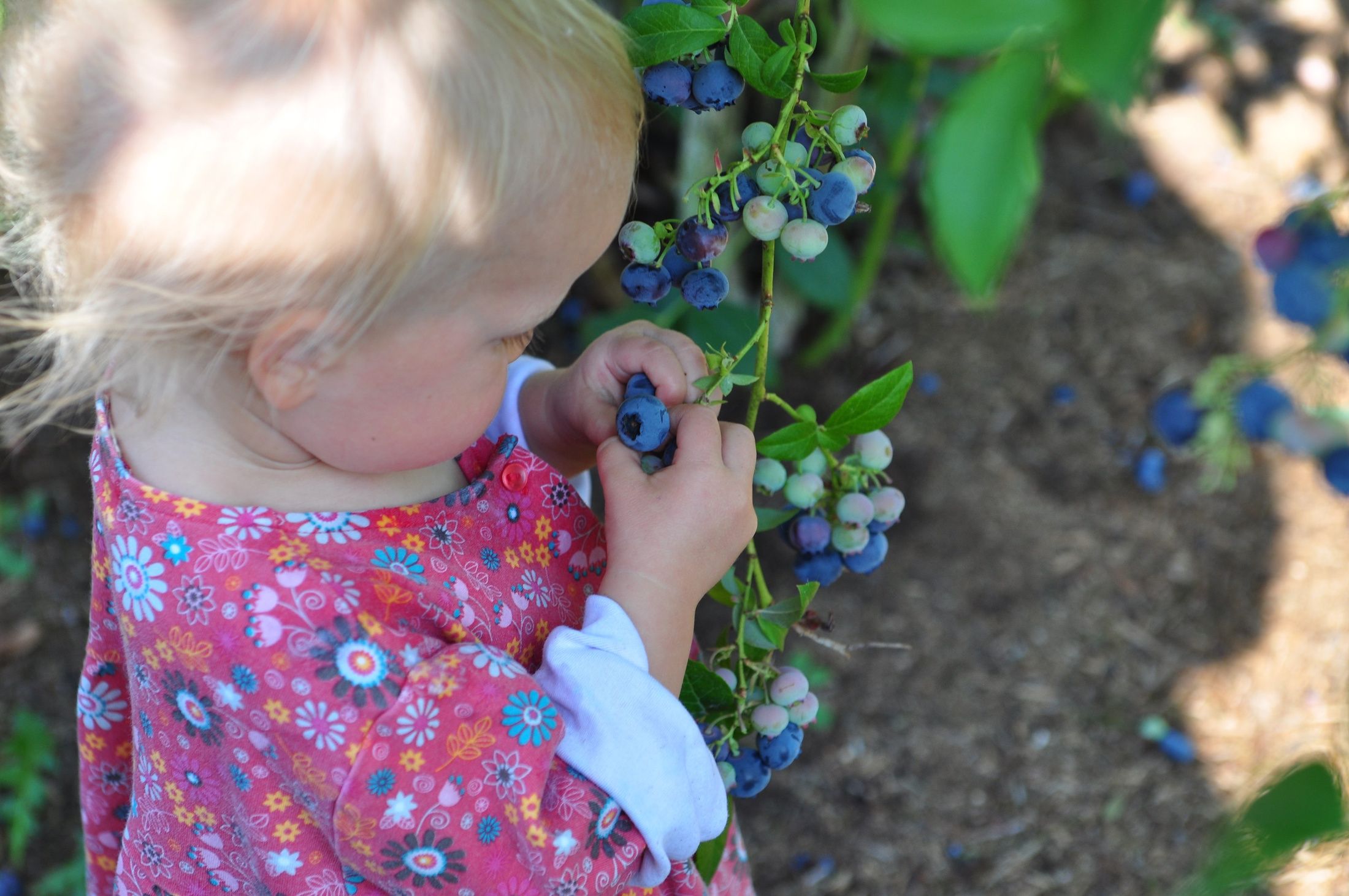
Helping mama pick berries.
Dehydrating
You can dehydrate almost any fruit! Use this handy chart to know how long to dry each type of fruit. You can also make fruit leathers by pureeing the fresh fruit and then pouring the puree into Teflex sheets in your dehydrator.
Apples, Pears, Peaches: Pit or core, cut into 1/4-inch thick slices and place into your dehydrator at 135 degrees F. Dehydrate until leathery. I usually begin at 145 degrees F for a few hours and then turn it down to 115 degrees F until done.
Italian Plums: Cut in half, remove the pits, place into a single layer on your dehydrator sheets. Dehydrate for 2 days (timing depends on the size and juiciness of the plums). Store in a glass jar in your pantry or another cool, dark place.
Cherries: Pit and cut in half. Place into the dehydrator. Larger cherries can take about 2 full days to fully dehydrate.
Blueberries: Place into your dehydrator. Turn to 145 degrees for about 2 hours then reduce to 115 degrees for about 15 hours or until done.
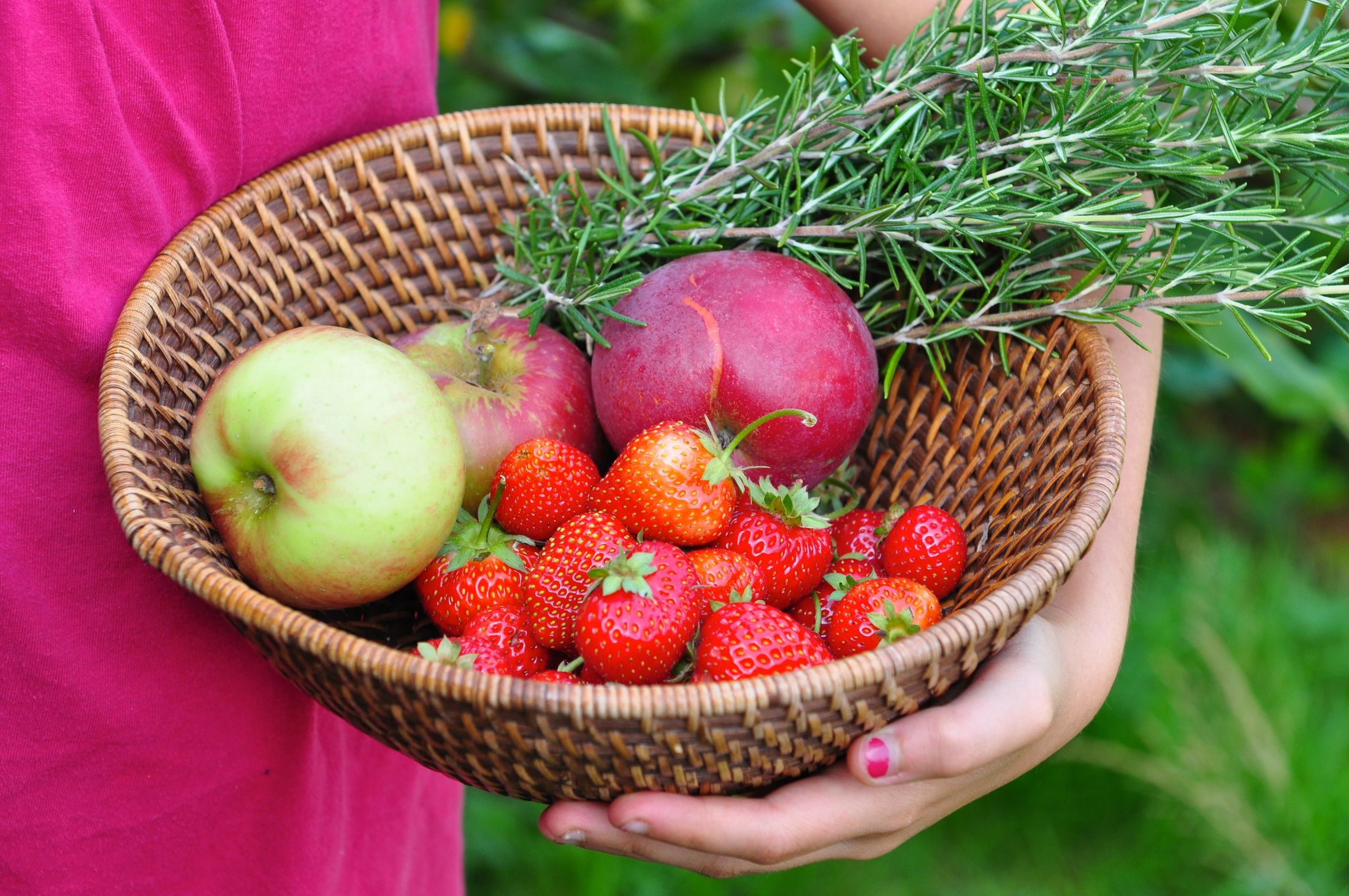
My oldest daughter's backyard harvest the other day.
Other Methods
Juicing! The other day I heard of juicing to preserve fruit. You can run the fruit through your juicer and then can or freeze the juice. I have not done this but what a great idea!!
Refrigeration: Freshly picked apples can last for months in your refrigerator (early season varieties tend to only last a few weeks, while heartier, later season varieties can last for 3 or more months).
What do you do to preserve fruit? Have any great tips or tricks to share? Please leave a comment, thanks! :)

About the Author
Alissa Segersten, MS, CN
Alissa Segersten, MS, CN, is the founder of Nourishing Meals®, an online meal-planning membership with over 2000 nourishing recipes and tools to support dietary change and better health. As a functional nutritionist, professional recipe developer, and author of The Whole Life Nutrition Cookbook, Nourishing Meals, and co-author of The Elimination Diet, she helps people overcome health challenges through food. A mother of five, Alissa understands the importance of creating nutrient-dense meals for the whole family. Rooted in science and deep nourishment, her work makes healthy eating accessible, empowering thousands to transform their well-being through food.Nourishing Meals Newsletter
Email updates.


